Running a successful kitchen — whether it’s a neighborhood diner, a hotel dining room, a school cafeteria, or a healthcare facility — comes down to execution and timing. Behind every smooth service is a well-established supply system that keeps ingredients coming through the door right when you need them.
Partnering with a reliable foodservice product supplier keeps your kitchen running without unexpected missing ingredients or unpredictable food costs. Instead of managing dozens of individual vendors, experienced operators know the benefits of having broadline partners to keep their shelves, fridges, and walk-ins stocked.
Knowing the main product categories every kitchen uses helps you simplify ordering and send out consistent plates every time an order comes in.
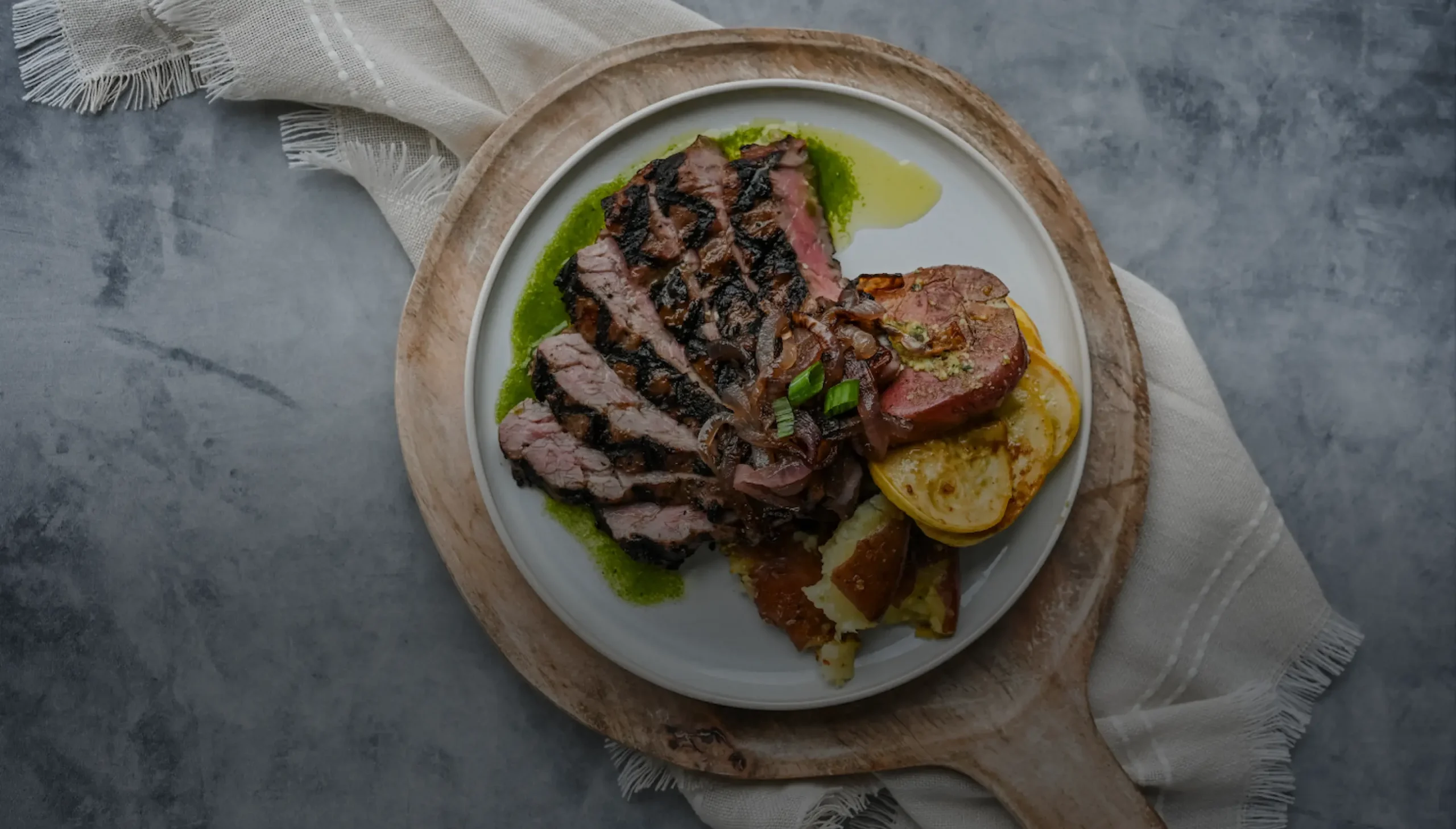
What it’s for: Serving as the central protein and highest-cost center for most main entrees and daily specials.
Cuisines supported: American, Steakhouse, Italian, Mexican, Asian, BBQ, and general casual dining.
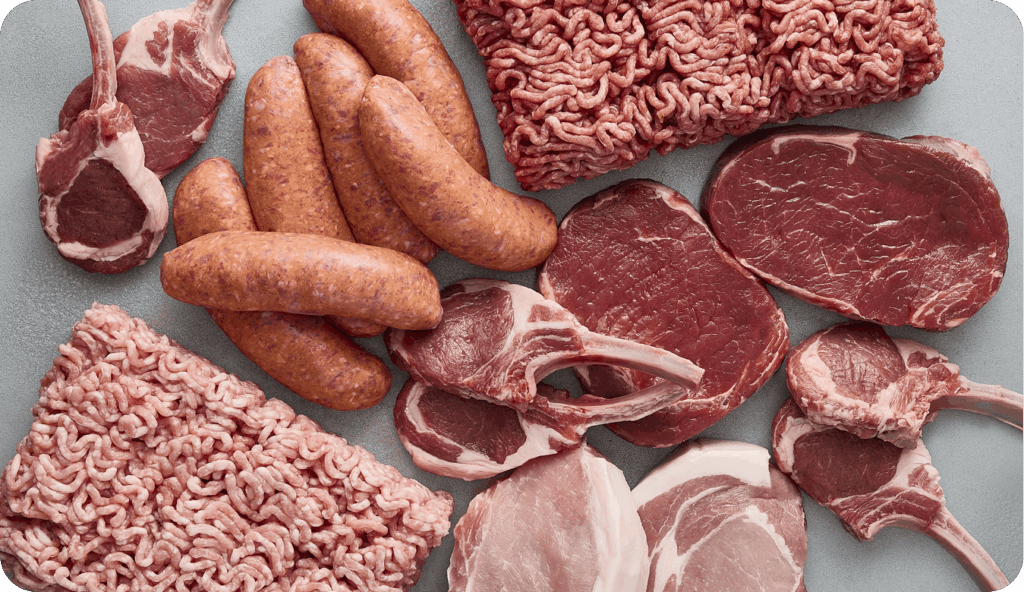
To keep plate costs predictable and quality high, commercial kitchens require specific cuts that yield consistent cook times and portion sizes.
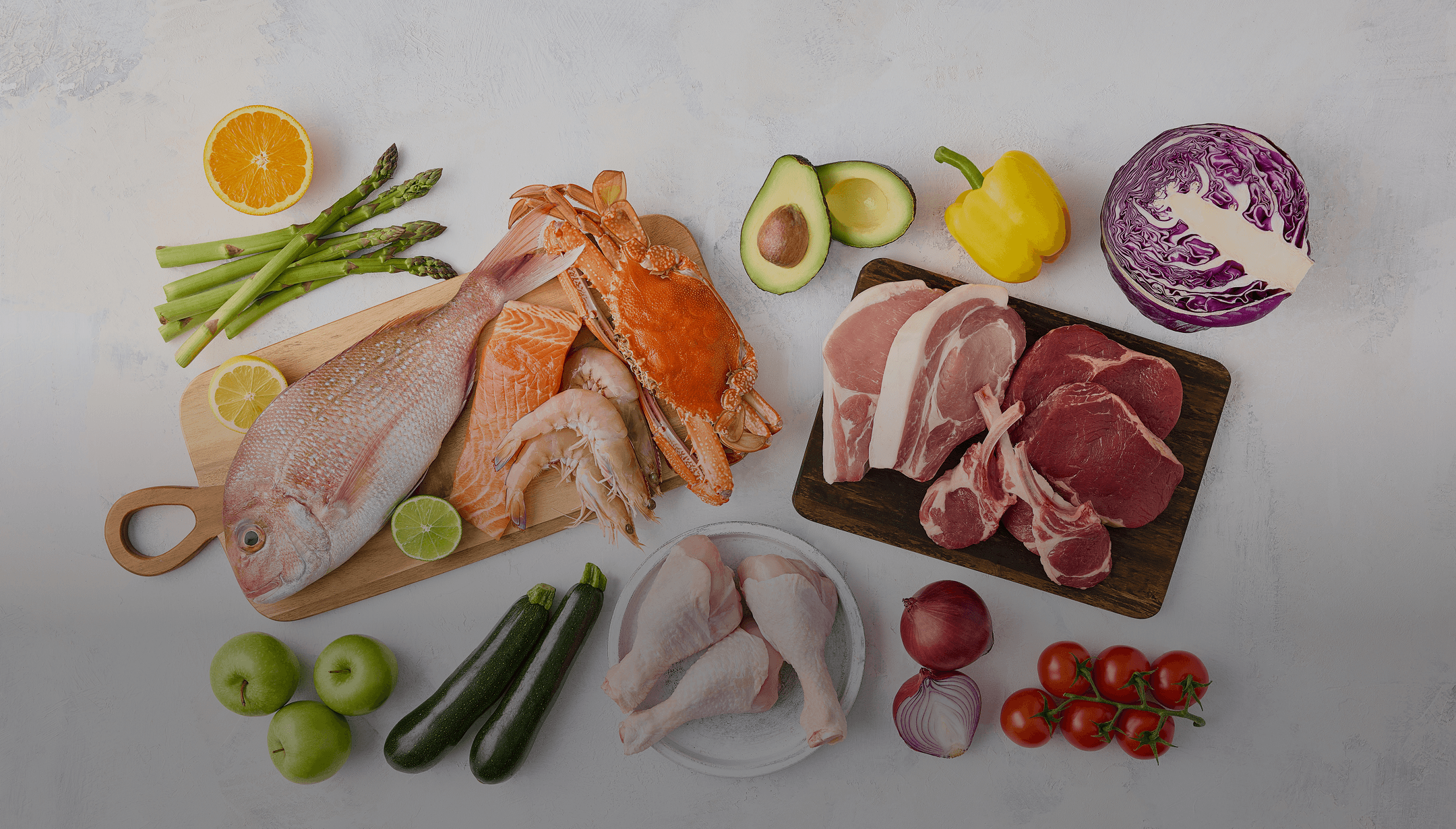
The primary protein groups include:
What it’s for: Adding premium options, seasonal specials, and lighter menu items.
Cuisines supported: Seafood shacks, Fine Dining, Mediterranean, Asian, Sushi, and Latin American.
Freshness is everything with seafood. Distributors manage strict cold-chain logistics so fish arrives safely at your kitchen door.
The core seafood product groups cover:
What it’s for: Foundation elements used in baking, sauce-making, prep work, and line assembly.
Cuisines supported: Bakery, Italian, Breakfast/Diner, French, Mexican, and general comfort food.
Refrigerated goods see heavy daily turnover. Having steady access to fresh dairy stops your line from stalling mid-prep.
Key groups in this category include:

What it’s for: Long-shelf-life ingredients that form the base of sauces, sides, baked goods, and seasonings.
Cuisines supported: Universal across every commercial kitchen type.
Pantry items are the backbone of high-volume cooking. Purchasing these items through a bulk food distributor keeps your inventory costs low without taking up valuable cold space.
Main product groups include:
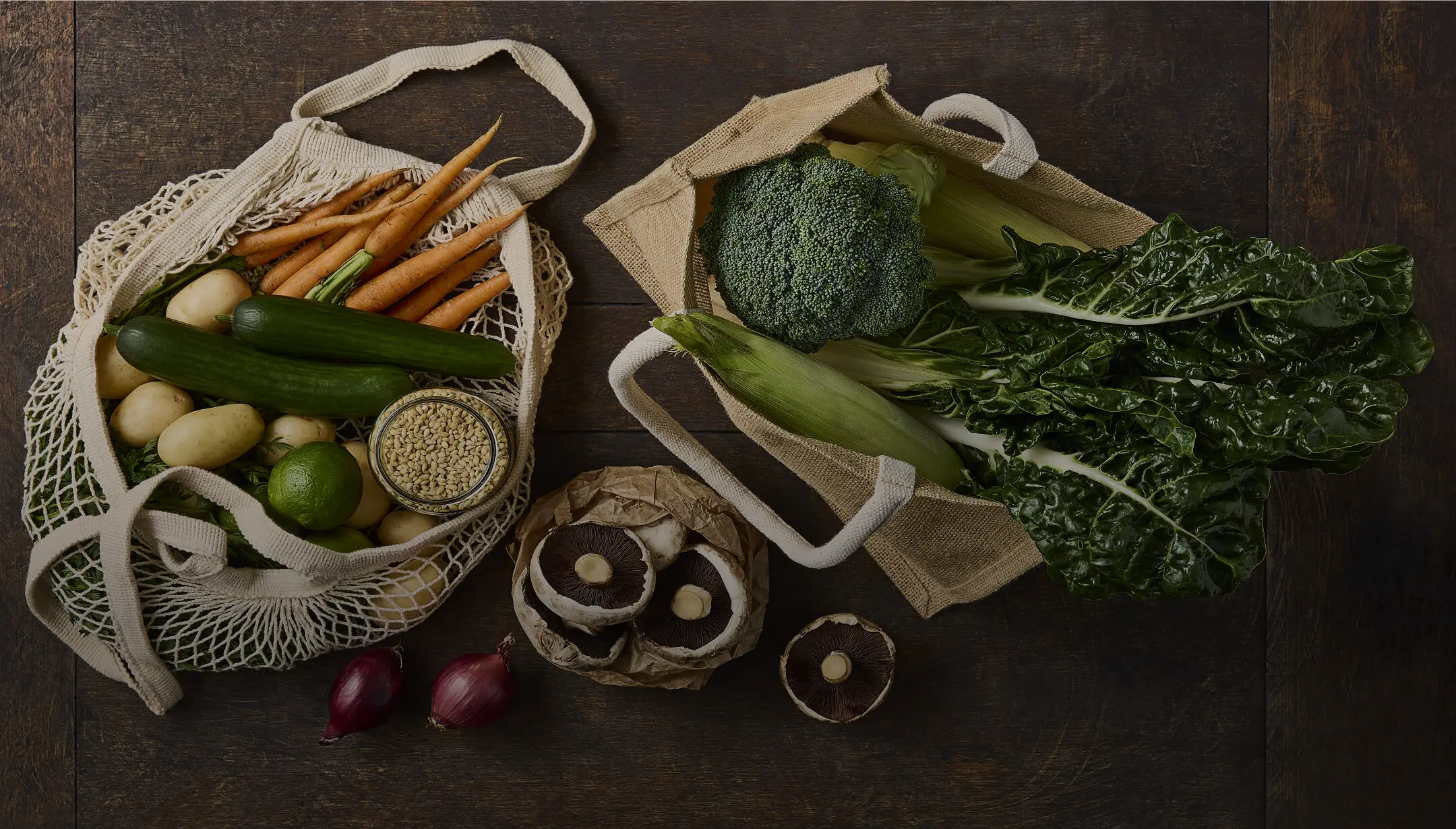
What it’s for: Brightening up dishes, building fresh salads, garnishing plates, and creating daily side options.
Cuisines supported: Farm-to-Table, Vegan/Vegetarian, Mexican, Mediterranean, Asian, and classic American.
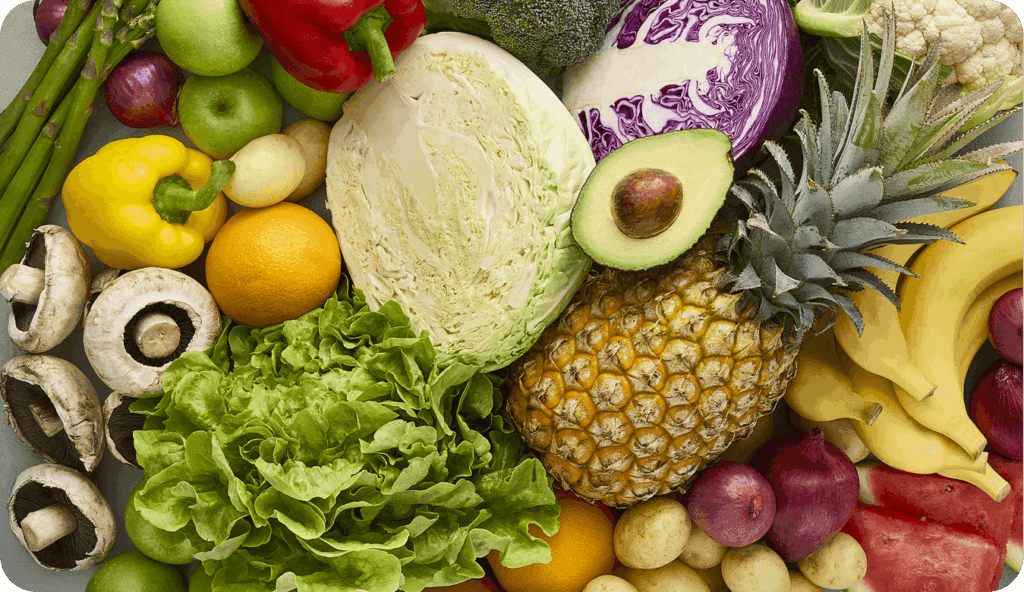
Fresh fruits and vegetables bring life to a plate, but they also carry the highest risk of spoilage if your inventory moves too slowly.
Essential produce categories consist of:
Every vendor you add to your contact list introduces another invoice to review, another minimum order size to hit, and another delivery truck blocking your loading dock. Managing three or four niche suppliers might seem like a good idea at first, but in practice, it eats up hours of management time that should be spent on food quality and guest experience.
Consolidating your restaurant food supply list with one primary distributor simplifies daily purchasing. When your meat, seafood, dairy, pantry staples, and disposables arrive on a single truck, keeping your kitchen stocked gets a whole lot easier.
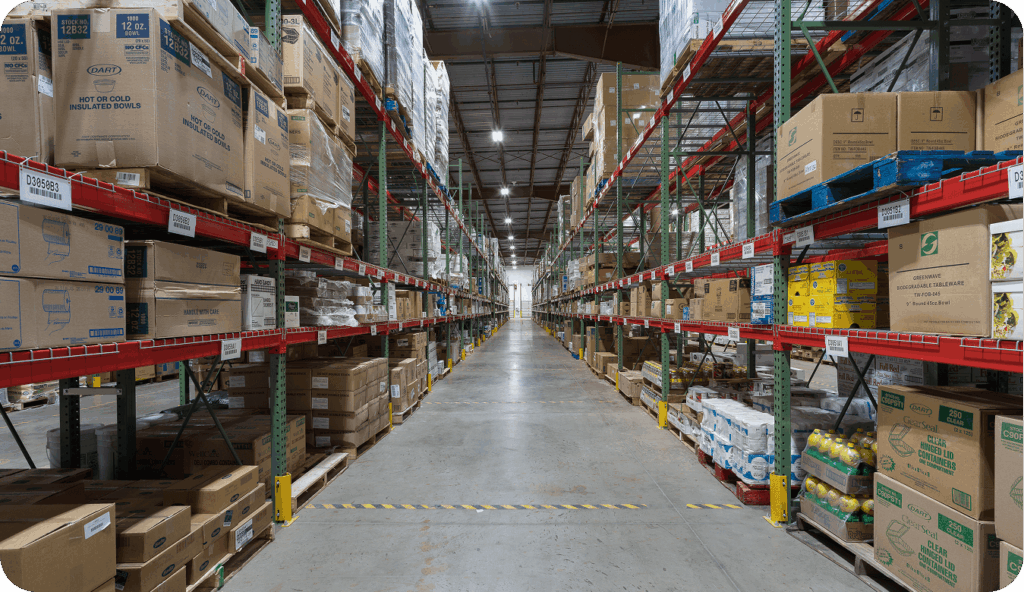
Storage space in a commercial kitchen comes at a premium. Walk-in coolers and dry storage rooms fill up fast, and over-ordering ingredients just to hit minimum thresholds creates major headaches:
Managing a commercial kitchen comes with enough daily surprises. Your supply chain shouldn’t be one of them.
By offering an extensive catalog of wholesale food products for restaurants, reliable order fulfillment, and flexible delivery schedules, Atlantic takes the friction out of kitchen purchasing. Whether you need help adjusting delivery days during a high-volume event week or sourcing specific specialty items, having an active partner behind your line keeps your operations running smoothly so your crew can focus on doing what they do best: cooking great food and taking care of guests.